
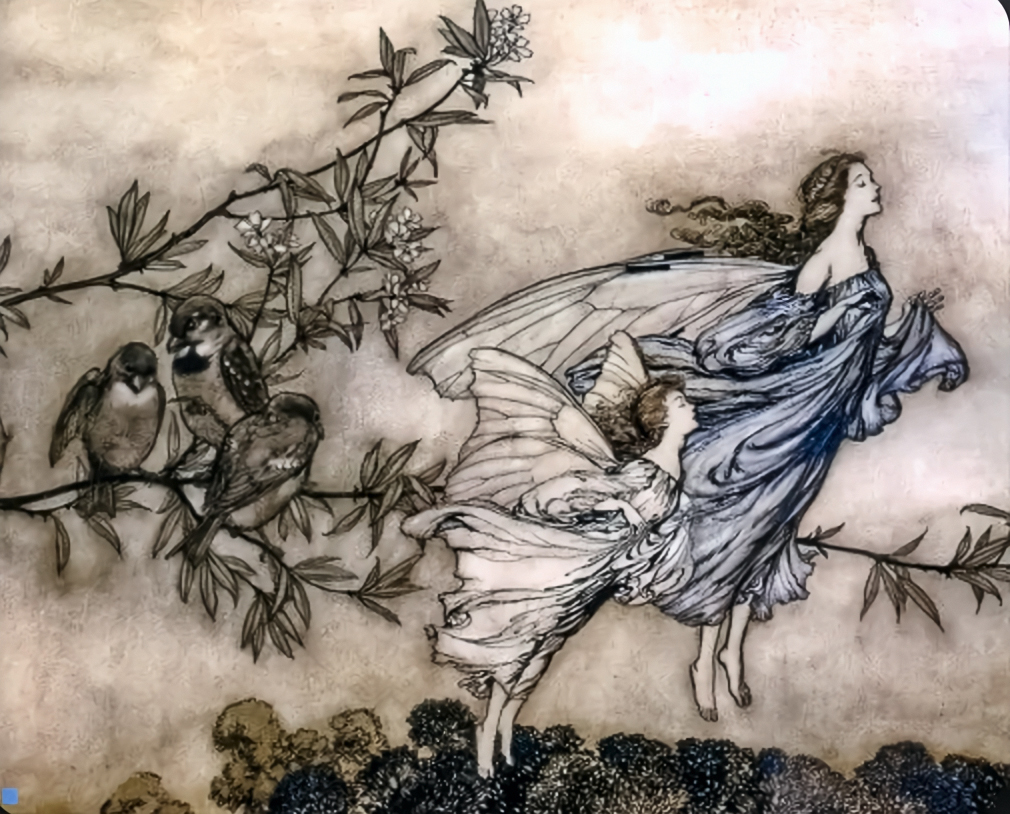
Fairies have captivated the human imagination across various cultures, each with its unique interpretation and mythological significance. These enchanting beings are often depicted with magical powers and a connection to nature, appearing in folklore, literature, and art from around the world.
Fairies Across Different Cultures:
In European traditions, fairies are often seen as diminutive, ethereal creatures associated with nature and the supernatural. Celtic cultures of Ireland and Scotland have rich traditions of fairies known as the Sidhe or Aos Sí, believed to live in ancient mounds and hills. English folklore also includes various types of fairies, such as the mischievous Puck and protective household fairies like brownies. In Scandinavian and Slavic folklore, fairies appear as elves and spirits interacting with humans, sometimes helping and sometimes causing mischief. Japanese folklore includes nature spirits akin to fairies, such as Kodama, spirits believed to reside within trees.
Fairies in Literature and Film:
Fairies have flourished not only in folklore but also in literature and cinema, adapting to fit artistic and cultural contexts over time. Shakespeare integrated fairies into his works, most famously in “A Midsummer Night’s Dream,” where characters like Oberon and Titania play central roles. In modern cinema, fairies have been featured in both animated and live-action films, such as Disney’s depiction of Tinker Bell in “Peter Pan” and the complex character of Maleficent.

The stunning costume worn by Michelle Pfeiffer as fairy Queen Titania in the 1999 production of A Midsummer’s Night Dream.
Costume design by Gabriella Pescucci and constructed by Tirelli Costumi.
Read more about the design in Inspiration.
Image credit to Tirelli Costumi
Costume Inspirations for Fairies:
Creating a fairy costume offers a chance to blend creativity with cultural mythology, crafting outfits that are both magical and deeply rooted in the rich tapestry of global folklore. Typical fairy costumes might include:
- Traditional European Fairy: Features gossamer wings, flowing silk or tulle fabrics in ethereal colors, and delicate accessories like floral crowns, embodying traditional fairy characteristics with a touch of modern whimsy.

- Woodland Fairy: Utilizes earthy tones like greens and browns, with natural elements such as leaves, vines, and flowers integrated into the costume. Accessories might include wooden jewelry and a circlet made of branches to enhance the forest-dwelling aspect.
- Water Fairy: Inspired by water spirits, these costumes can feature blues and greens, fabrics that mimic water’s shimmer, and accessories like shells and netting to reflect a connection to aquatic environments.
- Cultural Fairies: For a non-European twist, costumes can incorporate traditional garments or elements from the culture’s aesthetics, such as the vibrant, layered kimonos found in Japanese Yosei interpretations or the ornate, embroidered tunics in Slavic folklore.
Each iteration of fairy costumes reflects the cultural values and artistic sensibilities of their creators, showcasing fairies’ enduring appeal as subjects of both traditional lore and contemporary creative expression. Whether for a themed event or personal enjoyment, fairy costumes invite a playful exploration of the boundaries between the natural world and the realm of fantasy.
