
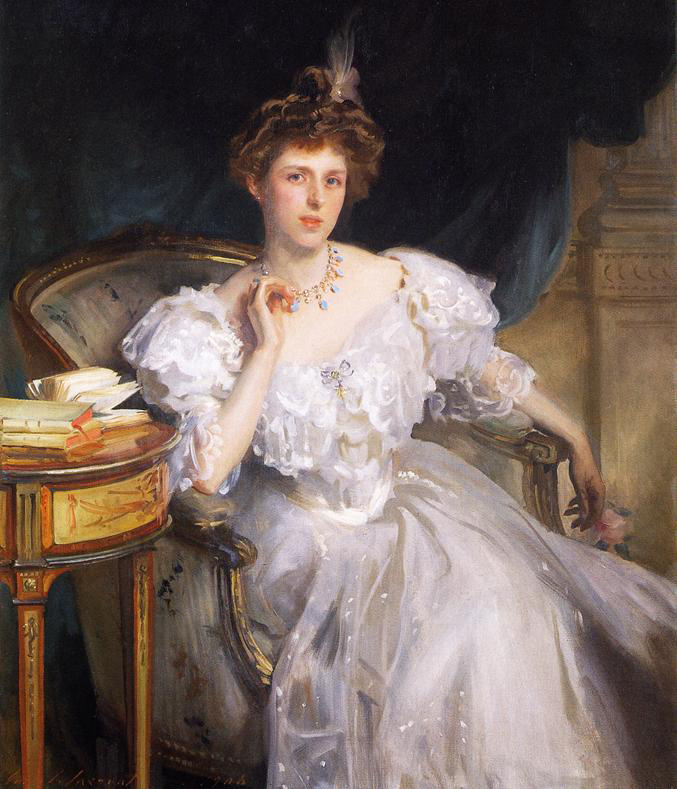
Gilded Age Fashion in America: Opulence and Innovation
The Gilded Age, spanning from the 1870s to the early 1900s in America, was a period marked by rapid industrialization and significant wealth accumulation. The phrase was coined from the novel The Gilded Age: A Tale of Today by Mark Twain and Charles Dudley Warner.
The early half of the Gilded Age coincided with the middle portion of the Victorian Era in Great Britain and the Belle Époque in France.
This era saw unprecedented economic growth, which influenced the fashion industry as America’s wealthy elite embraced and showcased their newfound opulence through their attire, frequenting Paris designers like the House of Worth.
It was a time when old money like the Astors and new money represented by the Vanderbilts fought for dominace among the social elite, and their wealth was lavishly displayed in their clothes, houses and jewels.
Defining Style of the Era
Fashion during the Gilded Age was characterized by its extravagance and attention to detail. As their wealth increased, so did people’s desire to display their status through elaborate ensembles influenced by European trends. This period in American fashion reflected a mix of opulence and an emerging sense of national style.
Women’s Fashion

Women’s dresses were extravagant and structured, with silhouettes that emphasized an hourglass figure. Key features included tightly laced corsets, bustles that enhanced the posterior, and intricate gowns made from luxurious fabrics like silk and velvet. Dresses were often adorned with embellishments such as lace, beading, and embroidery, reflecting the era’s fascination with excess and ornamentation.
Portrait of Madame Paul Poirson, 1885 by John Singer Sargent

Daywear

Day dresses had high necklines and long sleeves, suitable for public appearances or social visits. Tailored suits also became popular for more active engagements, reflecting a subtle shift towards practicality.
Men’s Fashion
Men’s fashion was no less refined. The typical attire for a gentleman included a morning coat, waistcoat, and striped trousers for daytime, while evening events called for the more formal black tailcoat and trousers with a white waistcoat and tie. Accessories such as top hats, canes, and pocket watches were essential to a gentleman’s ensemble, each adding a touch of elegance and function.


Innovation and Influence
The Gilded Age was also a period of significant innovation in fashion production. The introduction of department stores, the rise of ready-to-wear clothing, and advancements in textile manufacturing transformed how fashion was consumed and popularized. These changes not only made fashion more accessible but also faster to respond to the trends set by society’s elites.
Fashion during the Gilded Age provides insight into the social dynamics of the time, illustrating the contrasts between different classes and the aspirations of Americans as they navigated a rapidly changing society. It was a time when fashion became a clear indicator of social status and an important form of self-expression.