
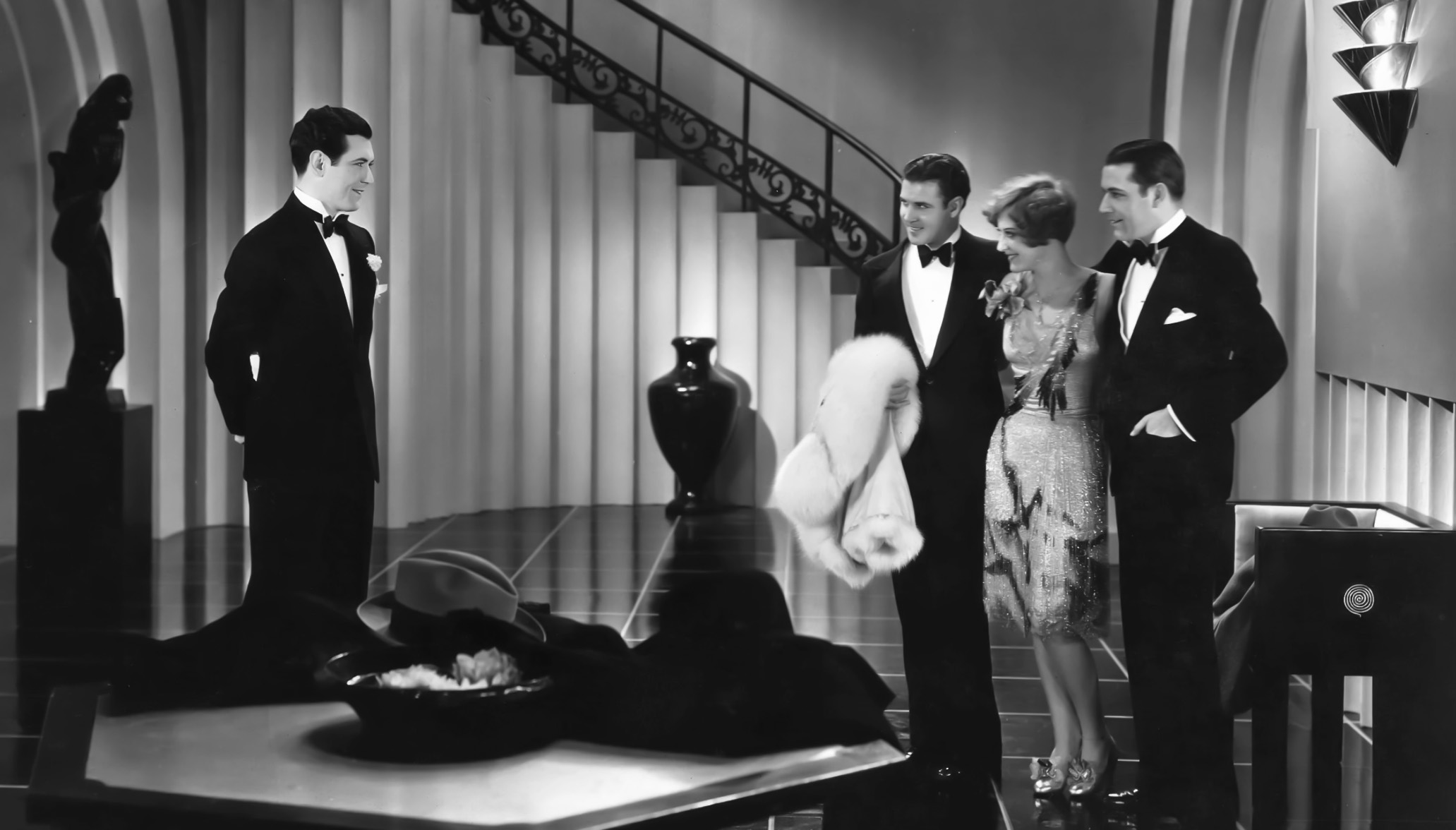
Art Deco is a visual arts design style that first appeared in France in the early 1910s and became internationally popular during the 1920s, 1930s, and into the early 1940s.
The style originated at the International Exhibition of Modern Decorative and Industrial Arts held in Paris in 1925, which was designed to showcase the new style in arts and architecture and to position Paris as the fashion capital of the world. The term “Art Deco” derived from the name (“Exposition Internationale des Arts Décoratifs et Industriels Modernes”).
rt Deco is characterized by its use of streamlined, geometric shapes including zigzags, chevrons, and stylized floral motifs. Symmetry and repetition are common in its patterns, reflecting the mechanization and industrialization of the era. Materials used in Art Deco designs were frequently luxurious, including ebony, marble, and metallics, often combined with inlays of ivory and jade, which were indicative of the style’s opulence. Glass, shiny fabrics, chrome, and mirrors were also widely used.

From Paris, Art Deco spread throughout the world, influencing the design of buildings, furniture, jewellery, fashion, cars, and everyday objects such as radios and vacuum cleaners. It was also particularly embraced in architecture and interior design, with many monuments of the Art Deco period still standing as icons in cities around the world, such as the Chrysler Building in New York City.
The Eastern Columbia Building (left) in Downtown Los Angeles is an Art Deco build designed by Claud Beelman, who was a noted designer of many art deco buildings in California.

Silhouette and Structure: Art Deco transformed the female silhouette, steering fashion away from the curves and frills of earlier styles toward a leaner and more linear look. This was epitomized by the flapper dress, which featured a dropped waistline, straight cut, and a hem that flirted with the knee—a radical change that marked the 1920s. This streamlined silhouette echoed the Art Deco fascination with clean lines and simplicity, allowing for greater freedom of movement and reflecting the era’s liberating social changes for women.

Incorporating the luxurious elements of the Art Deco movement, fashion of the time also used rich fabrics like silk, velvet, and satin, often adorned with geometric patterns and metallic embroidery. The use of shiny materials and embellishments such as beads, sequins, and feathers added a glamorous flair that was unmistakably Deco. These materials not only added visual appeal but also texture and depth, reflecting the movement’s love for extravagance and ornamentation.

It also brought a bold new approach to color in fashion, utilizing a vibrant palette that included deep reds, greens, blues, and yellows. This use of color was often complemented by high-contrast combinations and graphic patterns, which became hallmarks of the era’s attire. Additionally, the integration of Egyptian, African, and Japanese motifs into clothing designs showcased Art Deco’s fascination with cultures that were considered exotic at the time, further enhancing the eclectic and worldly nature of the fashion.

Accessories: The influence of Art Deco on accessories was equally significant. Jewellery became more geometric, featuring angular shapes and the extensive use of diamonds and other precious stones to create striking, statement pieces. Hats, shoes, and even handbags were designed with Art Deco motifs, making use of new materials like bakelite and chrome, which were popularized by the movement’s industrial aesthetic.

Art Deco’s Influence on Film: Art Deco’s impact on film was visible in the set designs and overall visual style of many early Hollywood films. The movement’s emphasis on sleek lines, geometric patterns, and lavish ornamentation made its way into the opulent settings of movies, which showcased the era’s fascination with glamour and the future. The architecture of movie palaces themselves, such as the famous Grauman’s Chinese Theatre (opened in 1927) and the Radio City Music Hall (opened in 1932), also reflected Art Deco design, with their extravagant interiors and exteriors becoming icons in their own right.
Conversely, the film industry also popularized and disseminated the Art Deco style globally. As films reached an international audience, the aesthetics of Art Deco spread widely, influencing fashion, furniture, and interior design far beyond the United States and Europe. The visual spectacle of cinema provided an ideal platform to display the elegance and drama of Art Deco, making its themes and motifs recognizable worldwide.
Notable Designers and Films: Several noted designers and architects were pivotal in blending Art Deco with film design. Cedric Gibbons, one of the most influential art directors in the history of American cinema, was instrumental in defining the Hollywood Art Deco aesthetic. His work on films like The Great Ziegfeld (1936) and Grand Hotel (1932) exemplified the luxury and bold geometric styles of the era. Another prominent figure was William Cameron Menzies, who utilized Art Deco designs to create the stunning visuals for Things to Come (1936), a film noted for its futuristic sets that epitomized the era’s optimism and faith in progress.
Men’s Fashion

Men’s fashion showcased a remarkable blend of sophistication and innovation, reflecting the period’s broader cultural shifts towards modernity and opulence. The era’s style was characterized by a cleaner, more streamlined look that broke away from the more ornate details of previous fashion trends, aligning with the Art Deco movement’s emphasis on simplicity and geometric patterns.
During this time, men’s suits became more fitted and featured sharper tailoring, which was a significant shift from the looser fits of the 1910s. The typical Art Deco suit boasted broad shoulders and a slim waist, often accessorized with a double-breasted vest, adding to the overall sleek and elegant silhouette. Fabrics were richer and more textured, incorporating bold stripes, plaids, and a palette that extended beyond the traditional dark colors to include creams, grays, and pastels, reflecting the era’s penchant for contrast and visual drama.
Accessories played a crucial role in defining men’s fashion in the Art Deco era. From the clean lines of the pocket squares to the geometric designs on cufflinks and tie pins, each element was thoughtfully chosen to complement the aesthetic of the time. Hats like the fedora or the homburg were essentials in a gentleman’s wardrobe, often featuring a lower crown and wider brim than their predecessors, styled to match the sharp lines of the Art Deco influence. Overall, men’s fashion in the Art Deco era not only mirrored the architectural and design trends of the time but also marked a period of transition in menswear that highlighted a more modern, stylized approach to dressing.
