
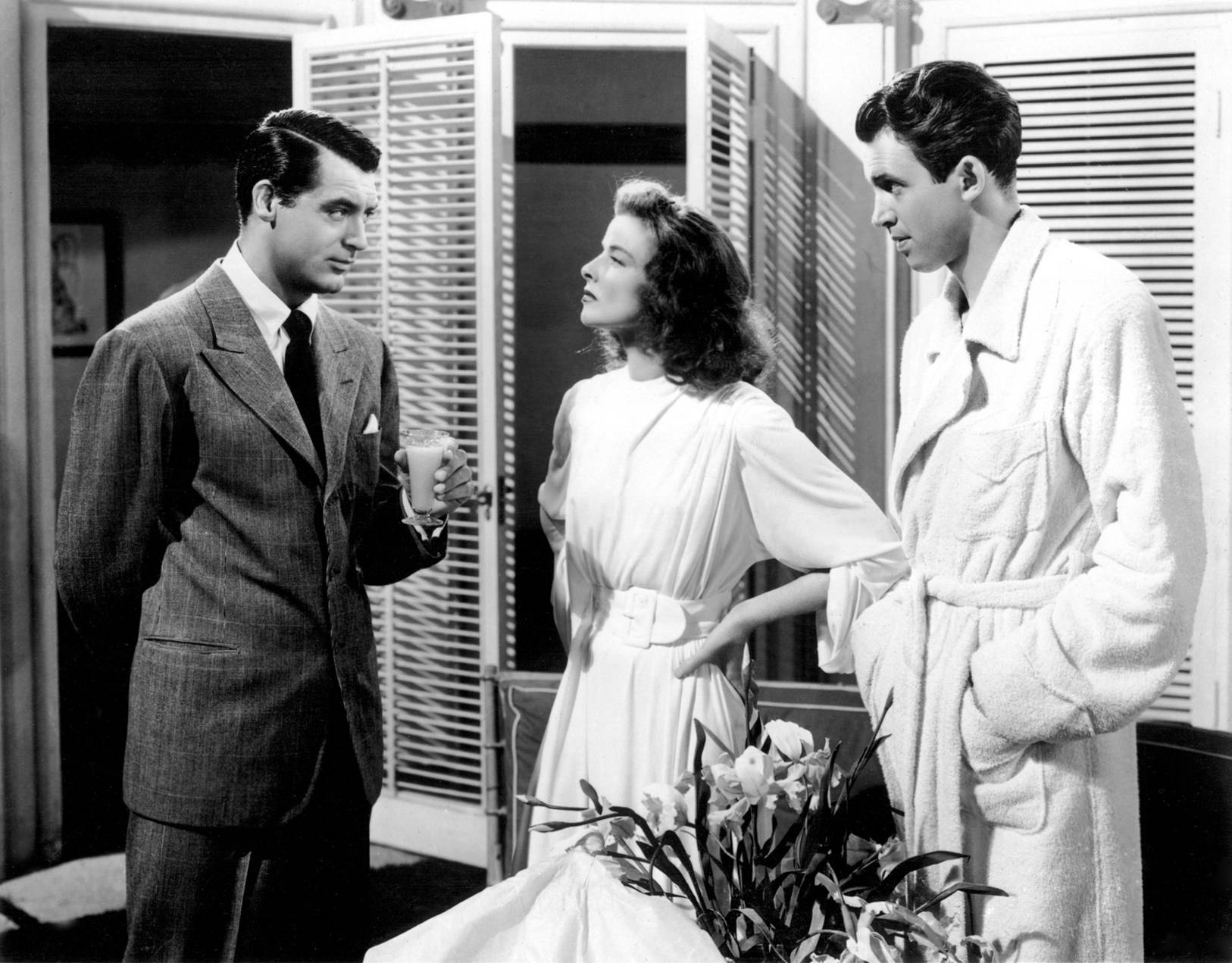
In the 1930s, Hollywood marked a significant evolution in style from the flamboyant and daring fashion of the 1920s. As the world transitioned from the Roaring Twenties to the Great Depression, Hollywood fashion shifted from the loose, shorter flapper dresses to more form-fitting, elegant, and longer silhouettes that emphasised a refined glamour. This period saw the emergence of bias-cut dresses, a technique popularized by designers like Madeleine Vionnet. This allowed fabric to cling softly to the body, skimming over its curves with a fluid drape that felt both modern and sophisticated, ideal for the silver screen’s black and white medium.

This period saw the emergence of bias-cut dresses, a technique popularized by designers like Madeleine Vionnet. This allowed fabric to cling softly to the body, skimming over its curves with a fluid drape that felt both modern and sophisticated, ideal for the silver screen’s black and white medium.
Left: Carole Lombard
Daily wear

The economic constraints of the Depression also profoundly influenced 1930s fashion. Luxury was toned down as practicality and simplicity in clothing became necessary due to economic hardships. Hollywood, however, served as an escape from these harsh realities, and its stars continued to display a level of opulence and luxury that offered audiences a form of escapism. Costume designers, therefore, had to balance this aspiration for glamour with the economic reality of their audience.
Designers to the stars
Notable costume designers like Adrian, Travis Banton, and Edith Head became household names, their creations defining the look of Hollywood’s Golden Age. They crafted garments that not only dazzled cinema-goers but also set the trends that dictated global fashion. Stars like Greta Garbo, Jean Harlow, Clark Gable, and Joan Crawford became style icons whose on-screen outfits led fashion trends and influenced public behavior.
Adrian
Adrian Adolph Greenberg, known professionally as Adrian, was a pivotal figure in Hollywood’s Golden Age, defining the era’s fashion as MGM’s chief costume designer. Renowned for his elaborate designs and meticulous attention to detail, Adrian’s style was marked by glamour, sophistication, and an emphasis on silhouette, often featuring dramatic shoulders and cinched waists that enhanced the allure of the actresses he dressed. His pioneering use of the bias-cut gown became a hallmark of 1930s elegance, celebrated for its graceful draping and ability to accentuate natural curves.

Adrian’s collaborations with Hollywood’s leading ladies, such as Greta Garbo and Joan Crawford, were instrumental in defining their on-screen personas and broader fashion influence. His iconic designs for Garbo in “Camille” and Crawford in “Letty Lynton” set fashion trends, with the latter’s ruffled dress sparking mass replication and desire across America. His work not only captivated film audiences but also had a profound impact on mainstream fashion, reflecting the intertwined relationship between Hollywood glamour and public attire. Many of his designs were repurposed and sold in retail stores, and he launched his own fashion label in 1942.
The Women

If you are looking for inspiration, then you can’t go past George Cukor’s 1939 movie The Women. It was a showcase for Adrian’s expertise as a costume designer. He designed 237 costumes created for an all-female cast and his approach was to dress each character distinctively, using clothing to enhance their individual personalities and relationships within the story. This meticulous attention to detail ensured that each costume, while sometimes verging on fashion fantasy, remained wearable and emblematic of contemporary trends, avoiding the pitfalls of becoming mere costume or camp.
The film’s influence extended beyond cinema, impacting real-world fashion with its depiction of up-to-date styles featuring fitted waistlines, flared skirts, and tiered evening dresses, among others. Adrian’s designs for its stars Norma Shearer, Joan Crawford, and Rosalind Russell not only highlighted their characters’ distinct qualities but also set fashion trends, making “The Women” a landmark in cinematic and fashion history.


Gold dress worn by Carole Lombard in We’re Not Dressing, 1934, designed by Travis Banton. Bias cut silk/satin.