
A Pantheon of Style and Influence
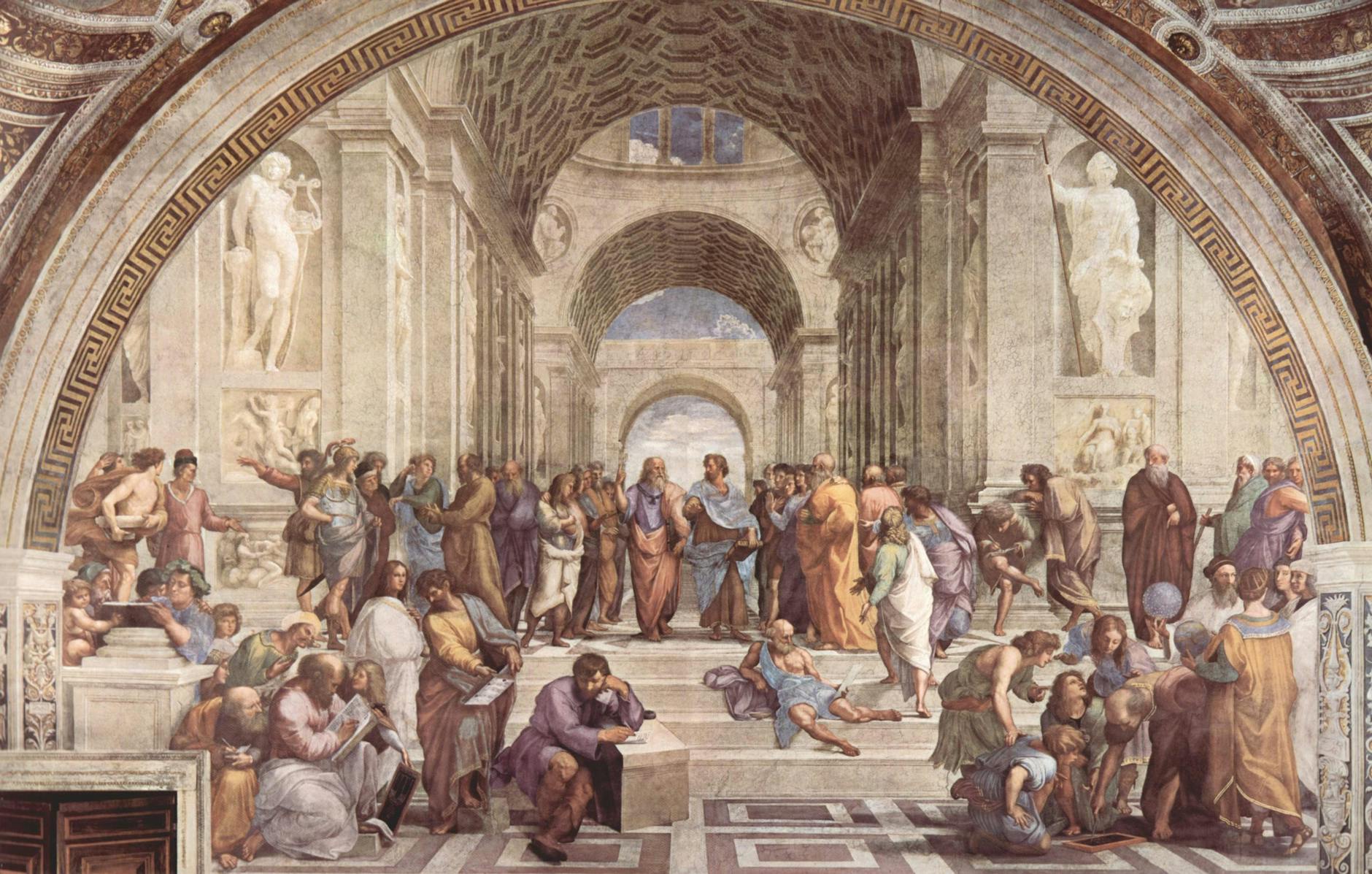
Ancient Greece, stretching from the 8th century BC to the 1st century BC, was a cradle of civilization known for its rich mythology, groundbreaking art, and the birth of democracy. This period laid foundational cultural norms that would influence Western civilization for centuries to come, and this influence was vividly apparent in the clothing and representations of its gods and goddesses, whose attire often symbolized their divine attributes and roles.
Attire of the Gods and Goddesses: The clothing of Greek deities was depicted as both beautiful and symbolic, reflecting their powers and realms. For instance, Zeus, the king of the gods, was often portrayed in art and sculpture wearing a himation (a type of draped garment), symbolizing his regal status and authority. Athena, goddess of wisdom and war, was frequently shown in armor, ready for battle, yet her garments beneath such armor remained elegant, often consisting of a chiton—a long, flowing tunic secured at the shoulders with clasps.

Attire of the Gods and Goddesses: The clothing of Greek deities was depicted as both beautiful and symbolic, reflecting their powers and realms. For instance, Zeus, the king of the gods, was often portrayed in art and sculpture wearing a himation (a type of draped garment), symbolizing his regal status and authority. Athena, goddess of wisdom and war, was frequently shown in armor, ready for battle, yet her garments beneath such armor remained elegant, often consisting of a chiton—a long, flowing tunic secured at the shoulders with clasps.
Mattei Athena at Louvre. Roman copy from the 1st century BC/AD after a Greek original of the 4th century BC attributed to Cephisodotos or Euphranor.
Influence on Mortal Dress: The everyday clothing of the Greeks was deeply influenced by these divine depictions. Men and workers typically wore the chiton or a shorter version known as the exomis, particularly in work settings for ease of movement. Women’s attire generally consisted of three general garment types: the chiton, the peplos, and the himation, a large cloak. The women’s longer chiton, could be elaborately draped and pinned in various styles, demonstrating their role within the household and society.
The use of the himation as an outer garment for both men and women echoed the styles seen on deities, serving both practical and social functions.

Ceremonial and Athletic Wear: In ceremonial contexts, such as during festivals or public religious ceremonies, Greeks might wear more elaborately decorated versions of everyday clothing, mirroring the splendor seen in depictions of their gods. Athletes, who competed nude to display the beauty and capability of the human body, also reflected cultural ideals that were attributed to godly perfection.
Legacy and Cultural Significance: The depictions of gods and goddesses not only influenced Grecian fashion but also conveyed a shared cultural identity that celebrated humanism, beauty, and the divine interconnectedness of life. These mythological figures and their iconic styles continue to influence modern fashion and culture, symbolizing ideals of beauty, power, and virtue.
Ancient Greek clothing, with its simplicity, functionality, and beauty, epitomizes the civilization’s enduring legacy in the realms of art, culture, and fashion, reflecting a society that celebrated the human form both in the mortal and divine realms.