
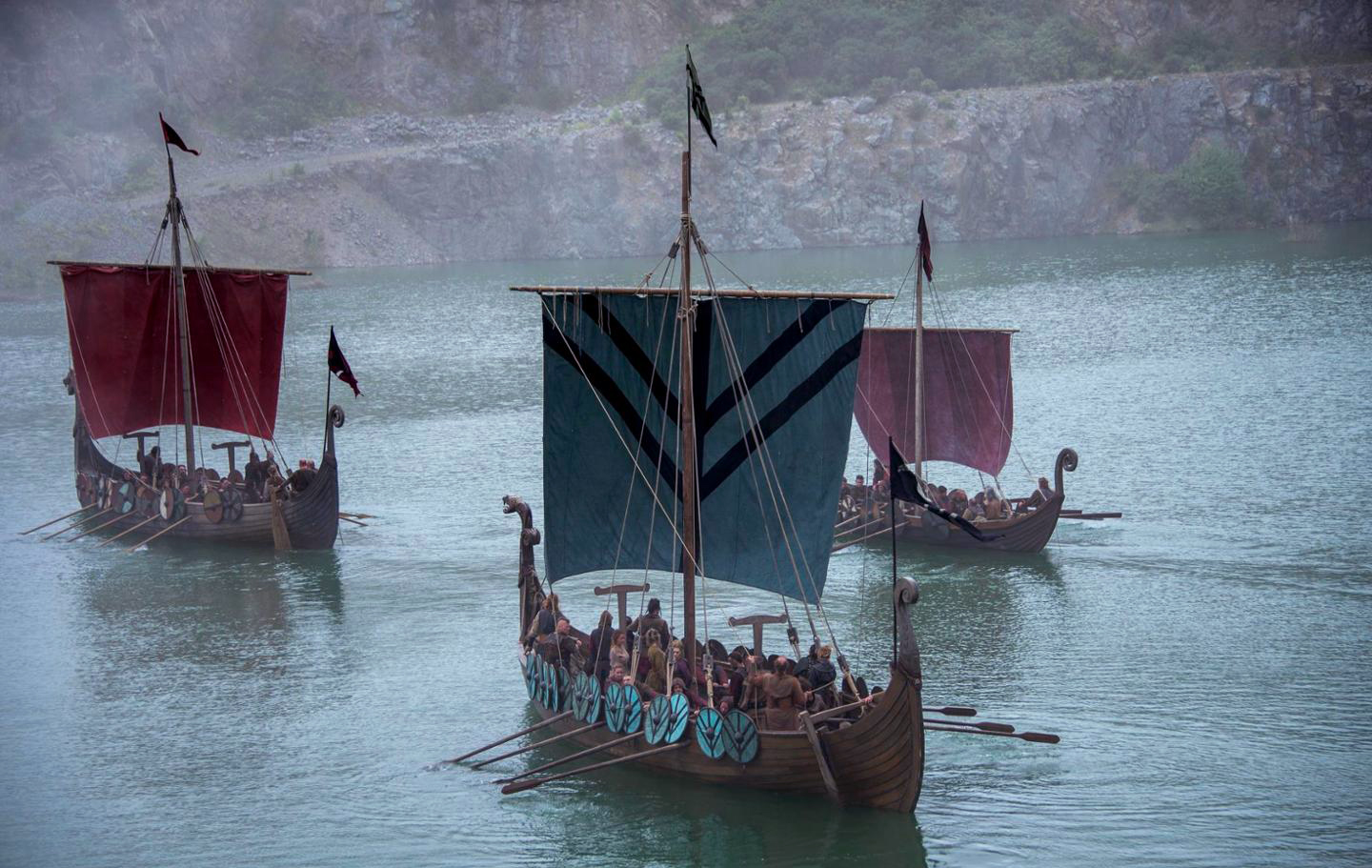
Viking Attire: The Functional and Symbolic Dress of the Norse People
The Vikings, hailing from Scandinavia between the late 8th and early 11th centuries, are often remembered for their raids and explorations across Europe, but their clothing also tells a story of their daily lives, social structures, and environmental adaptations. Viking attire was primarily designed for functionality, suited to the harsh, cold climates they lived in, as well as their seafaring and adventurous lifestyle.
Materials and Construction:
Viking clothing was simple and practical, made from the natural resources available in their environment. Wool was commonly used, providing necessary warmth and water resistance, while linen, made from flax, was preferred in the summer months for its lightness. Leather and furs from domestic animals and hunted wildlife were also integral for additional warmth and protection.
Everyday Wear:

Typical garments for men included tunics, trousers, and cloaks fastened with brooches or belts. Women wore long dresses with a strap dress (a type of apron dress) over it, which was often held up by brooches at the shoulders. Both genders wore woolen socks and leather shoes or boots. The complexity and quality of these clothes could vary significantly with social status, with the wealthy adorning themselves with finer fabrics and elaborate jewelry.
Warrior Gear

Contrary to popular myth, Viking warriors did not wear horned helmets into battle. Instead, they used practical iron helmets and chainmail when available. Shields, swords, and other weaponry were also crucial elements of a warrior’s attire, symbolically representing their readiness to defend or expand their territories.

Replicas of chainmail used by Vikings. A wealthy Viking would likely have a complete ensemble of a spear, a wooden shield, and either a battle axe or a sword. The richest might have a helmet and mail armour. Up until the 14th century European mail was made of alternating rows of round riveted rings and solid rings.
Find out more here
Symbolic Elements:
Jewelry played an important role in Viking dress. Items such as arm rings, neck rings, and brooches were not only decorative but also served as status symbols and currency. Intricate patterns and Norse symbols, reflecting pagan beliefs and the importance of runes, were commonly integrated into their metalwork and embroidery.

Beads and associated items from a grave find in Gotland, Sweden.
Gender and Social Roles:
Clothing also reflected gender and social roles within Viking society. Women’s roles as key weavers and textile producers were highly valued, and the garments they created for their families were essential for survival in the rugged Scandinavian environment. Men’s clothing often indicated their prowess as warriors or traders, especially when interacting with other cultures.
Legacy and Influence:
Viking attire, with its focus on durability and practicality, underscores the adaptability of the Norse people to their environment and lifestyle. Today, reconstructions of Viking clothing are popular among historical re-enactors and continue to influence modern fashion with their unique and rugged aesthetic.
Viking clothing was more than just protection against the elements; it was a means of expressing identity, social status, and cultural values, encapsulating the pragmatic and artistic spirit of the Norse people.